
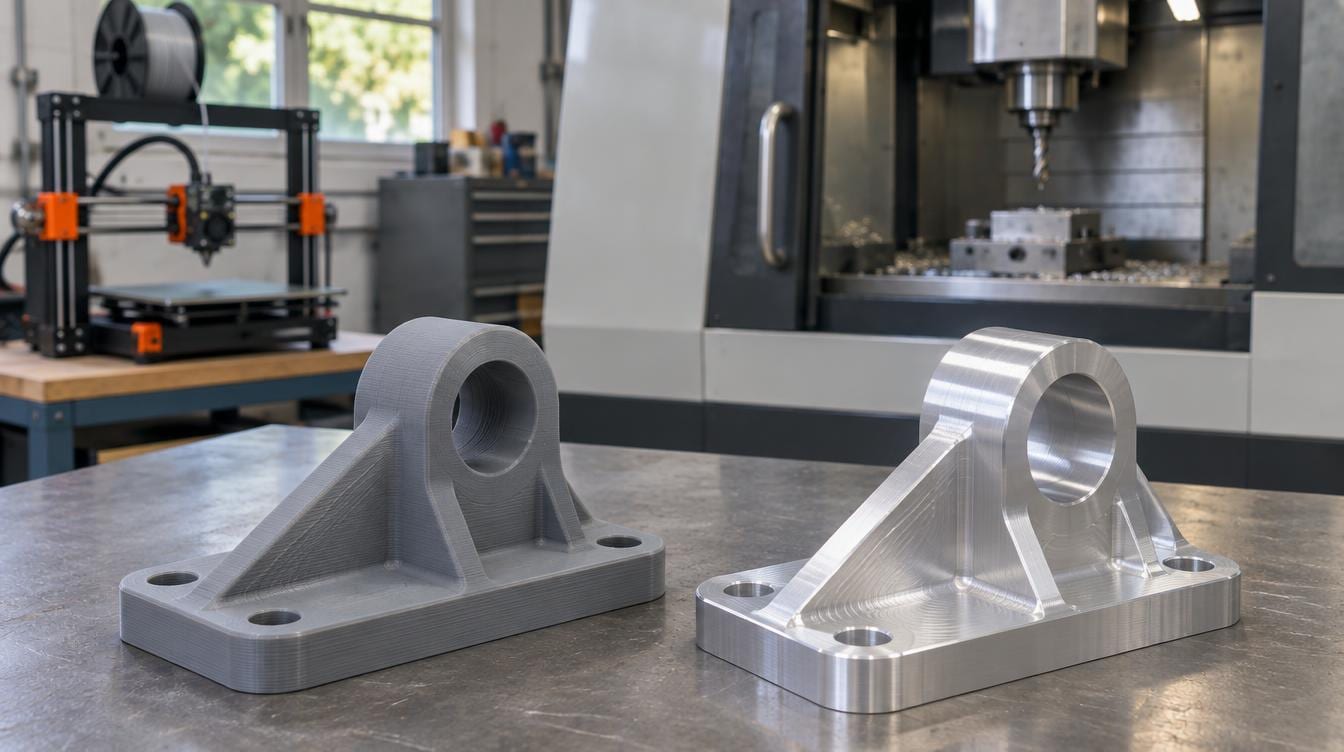
3D Printing or CNC Machining for Prototypes and Small Batches?
We compare 3D printing and CNC machining on tolerance, strength, materials, surface finish, quantity and lead time, and explain when each makes sense for prototypes and small batches.
We explain the topics we deal with in the workshop every day in plain language: CNC, welding, presses and dies, brake lining machines, 3D printing and maintenance.
Tell us what part, machine or mould you need, and we will assess it together.
Let’s discuss your project0232 375 75 60We compare 3D printing and CNC machining on tolerance, strength, materials, surface finish, quantity and lead time, and explain when each makes sense for prototypes and small batches.
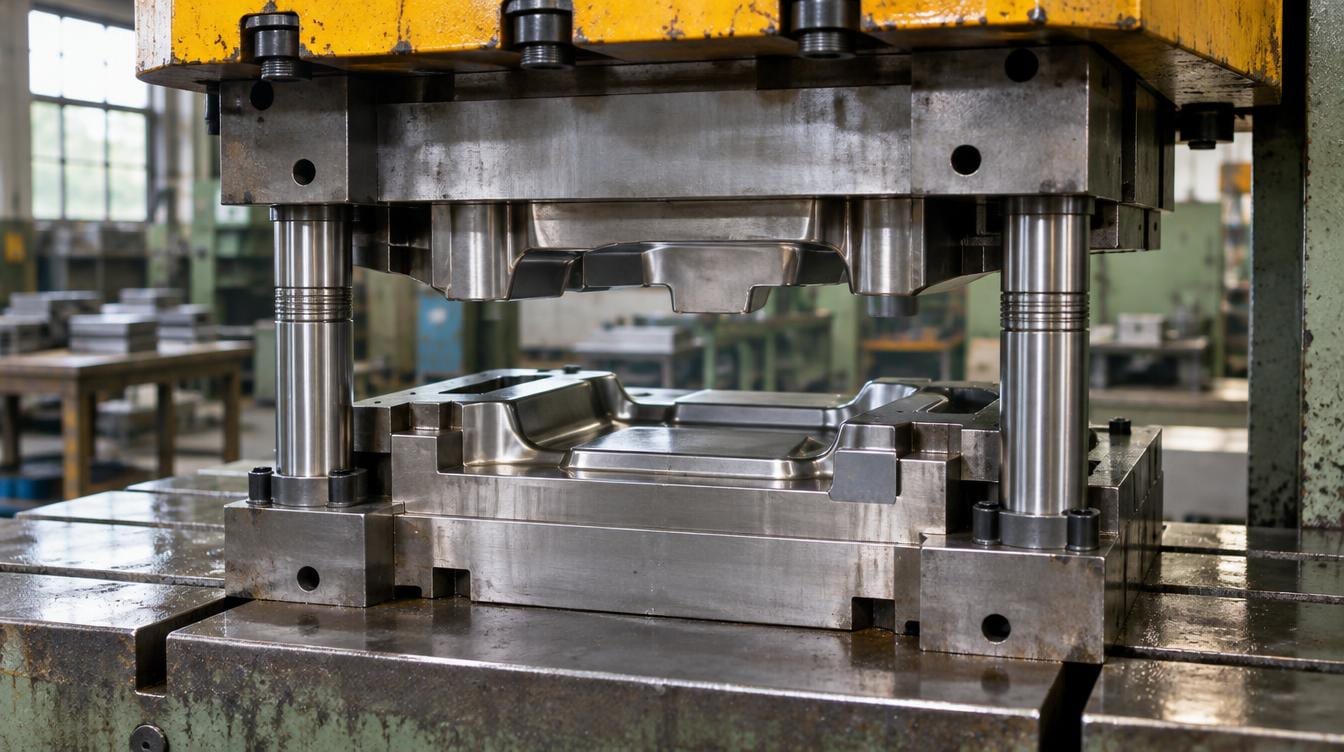
A cutting die shears sheet metal, a bending die forms it without cutting, and a progressive die performs several operations in sequence on a strip. We explain which suits which part and volume, and the main components of a die.
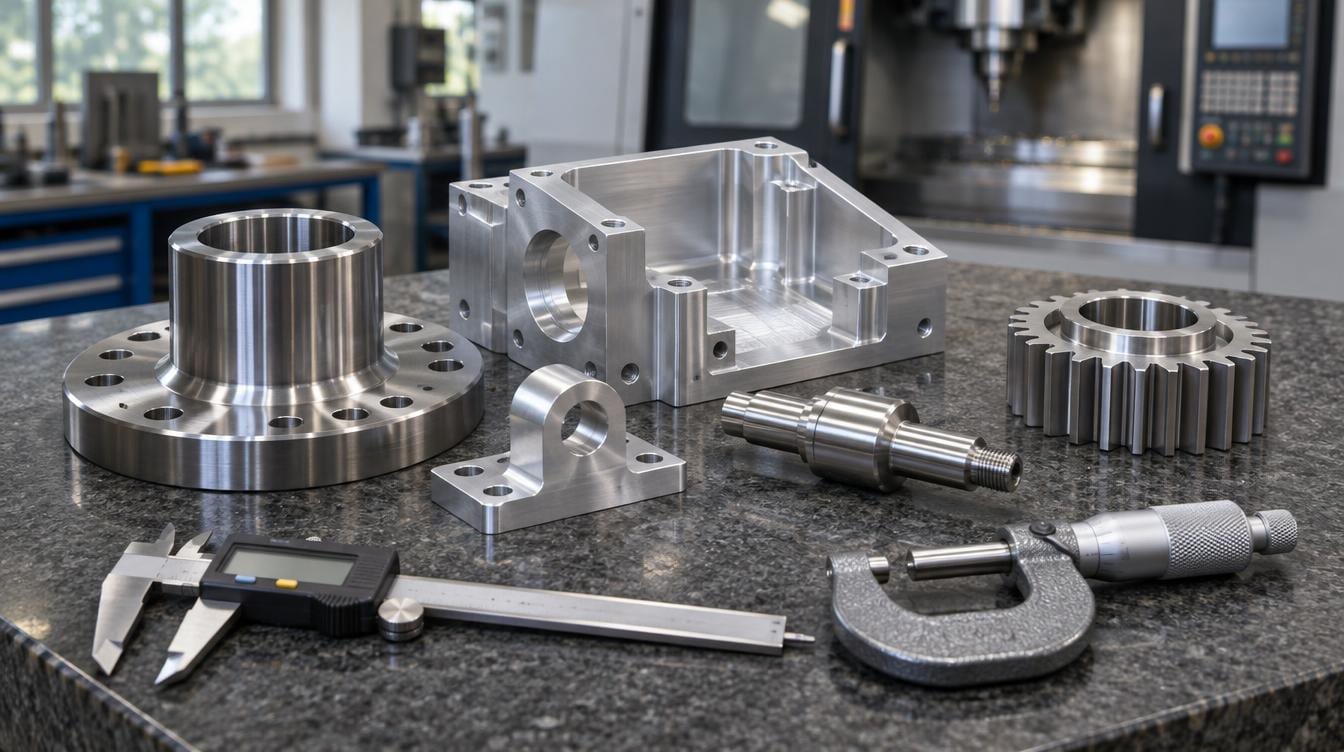
How are untoleranced dimensions on a drawing checked? ISO 2768-1 tolerance classes, size versus geometrical tolerances, the current status of ISO 2768-2 and how the chosen class affects your quote.
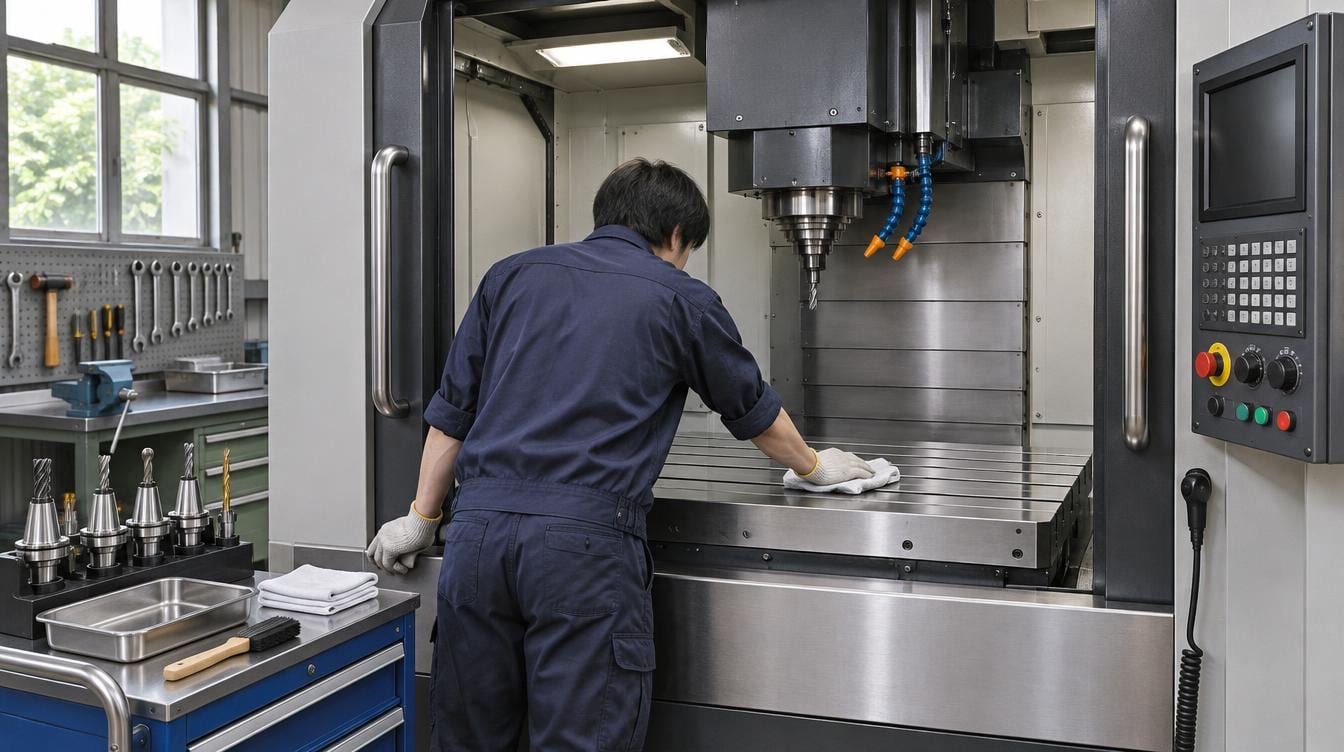
What should you check on a CNC machine every day, week, month and year? Lubrication, coolant, axis backlash, filters, and why the manufacturer's manual comes first.
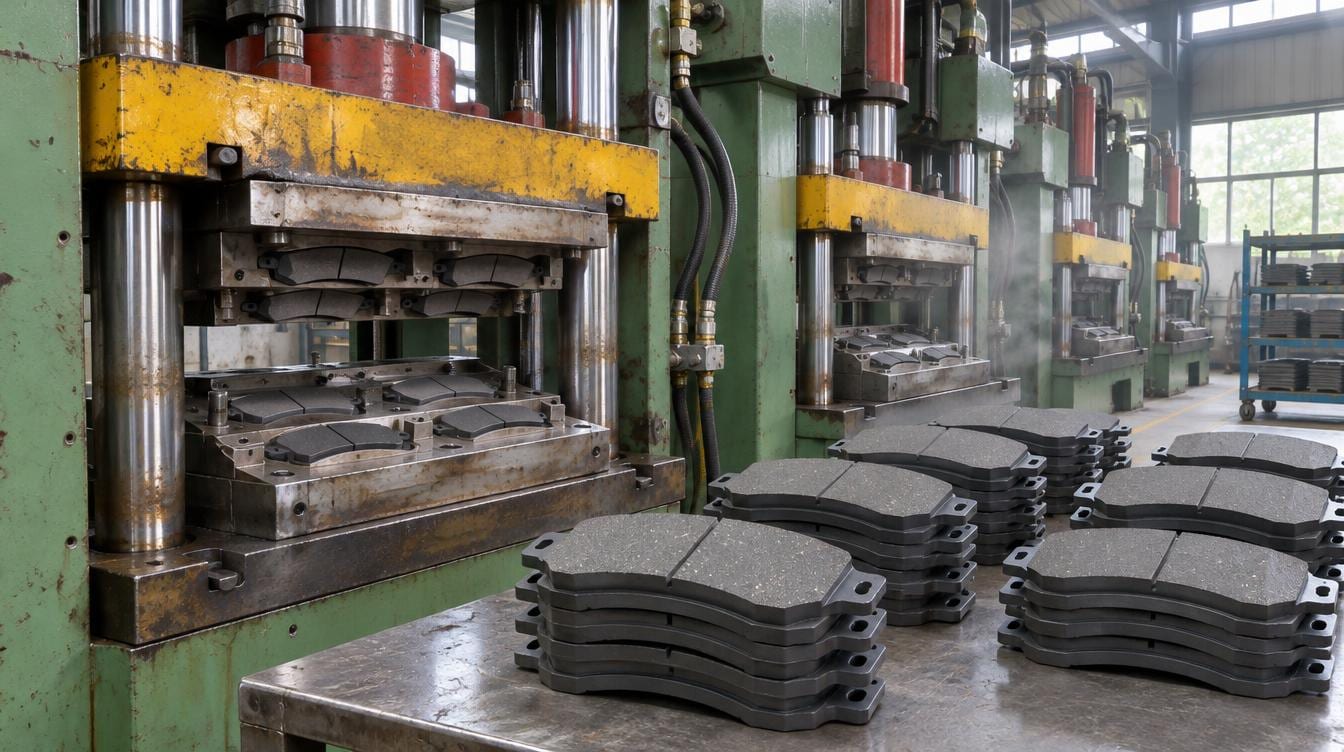
The main production stages of a disc brake pad, from mixing to grinding, and the machines used at each stage, explained without going into formulations.
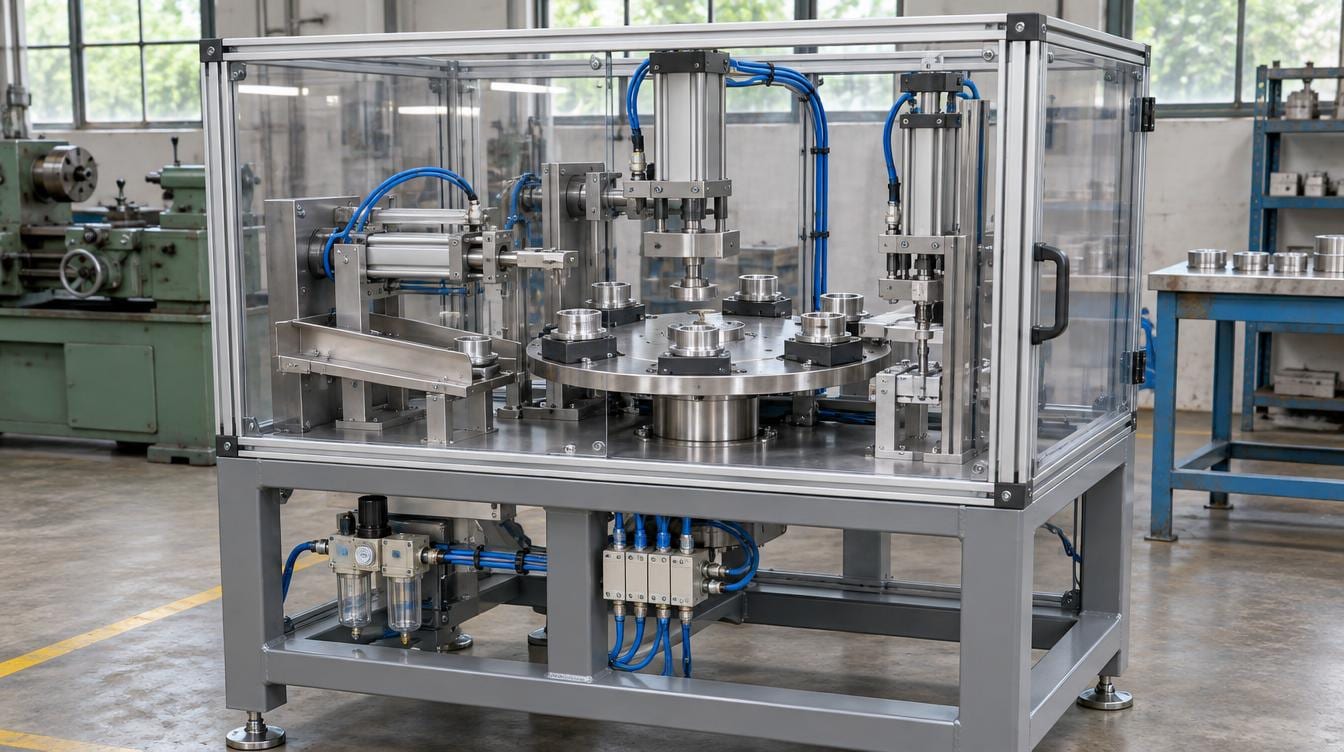
A special purpose machine is built for one part or one operation. We explain when it makes more sense than a standard machine tool, how the design process works and what the legal obligations are.
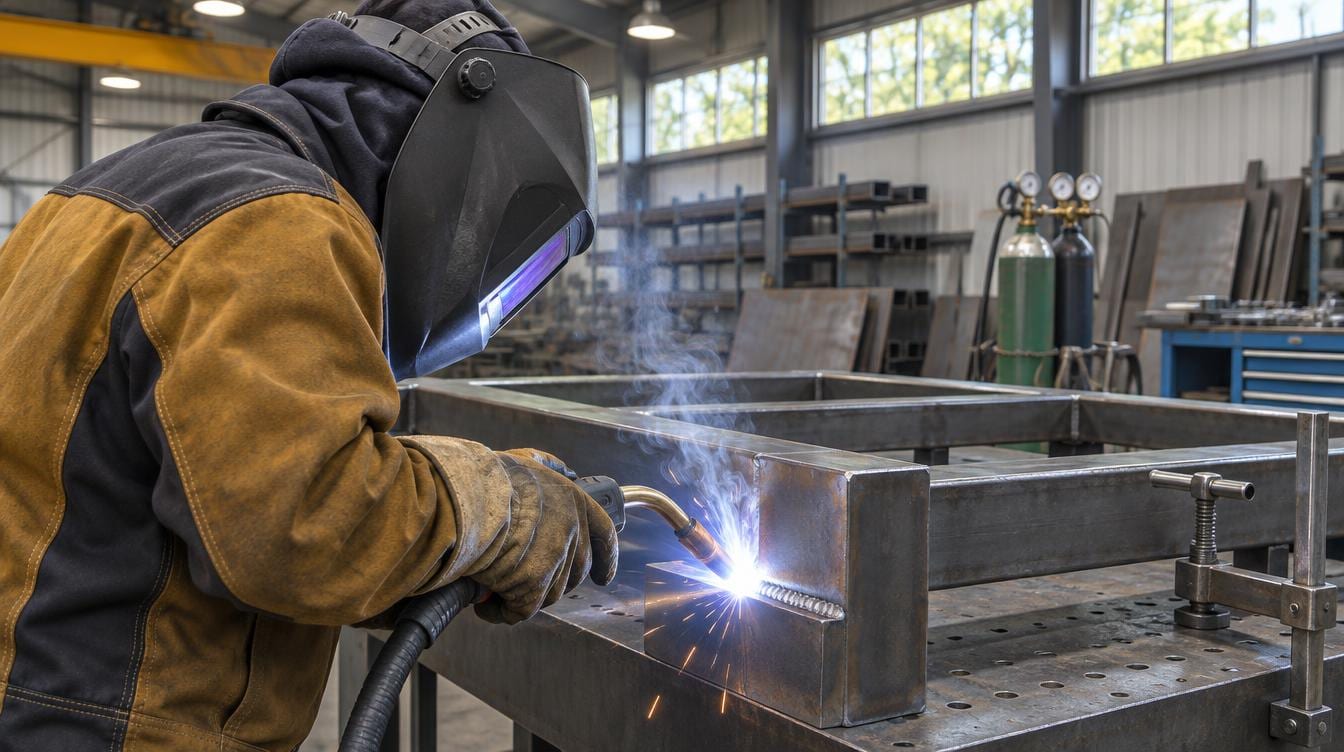
MIG, MAG and TIG welding differ in electrode, shielding gas, speed and weld quality. This guide explains which process suits which material and thickness, with a comparison table.
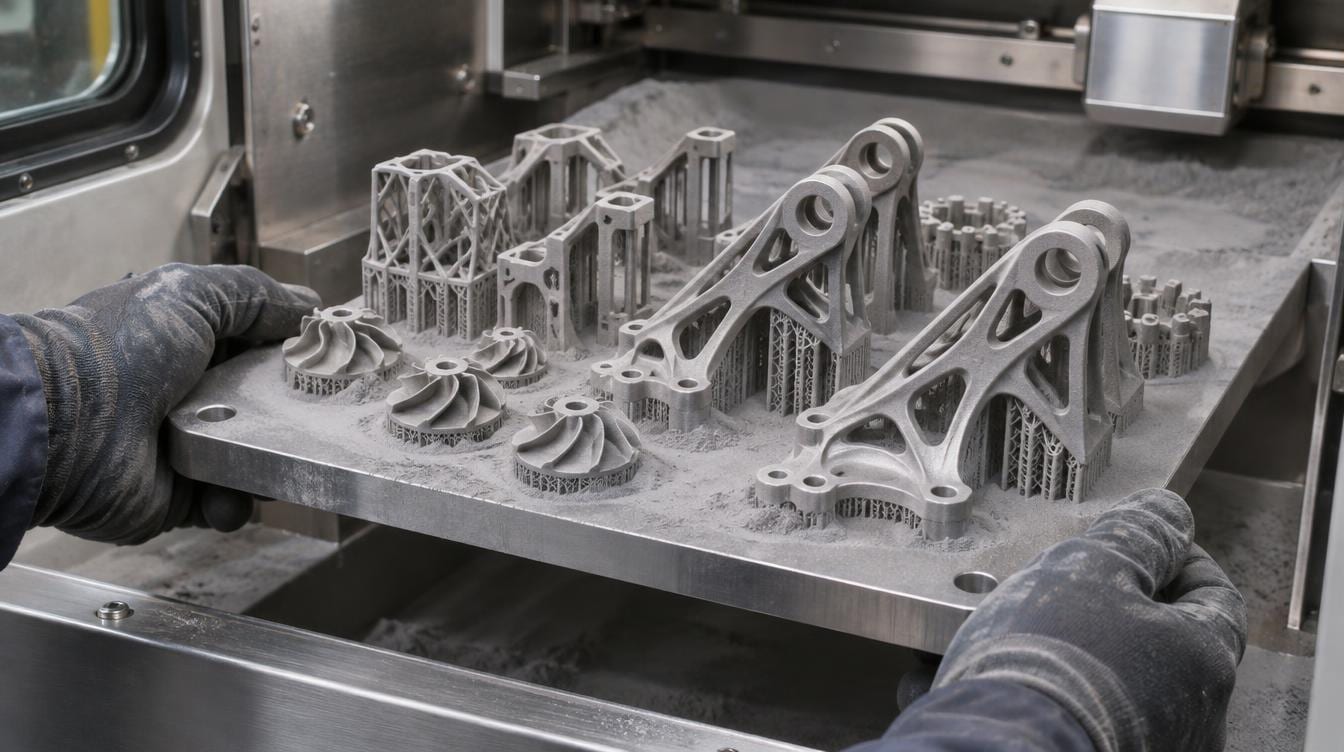
How powder bed fusion (SLM/DMLS) and directed energy deposition (DED) work, which metals can be printed, and where metal 3D printing makes sense and where it does not.
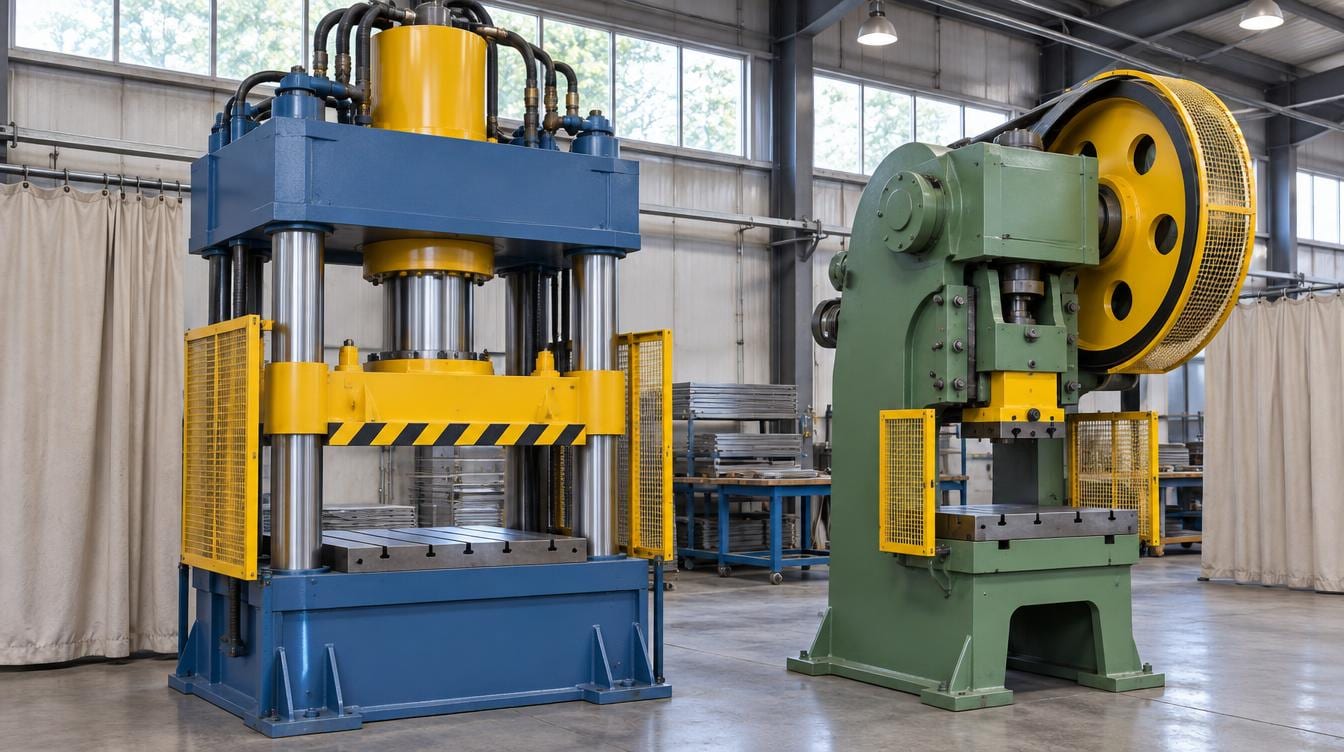
An eccentric press is fast and reaches full tonnage near bottom dead center; a hydraulic press is slower but delivers full force anywhere in the stroke. Here is how to choose, starting from how each machine works.
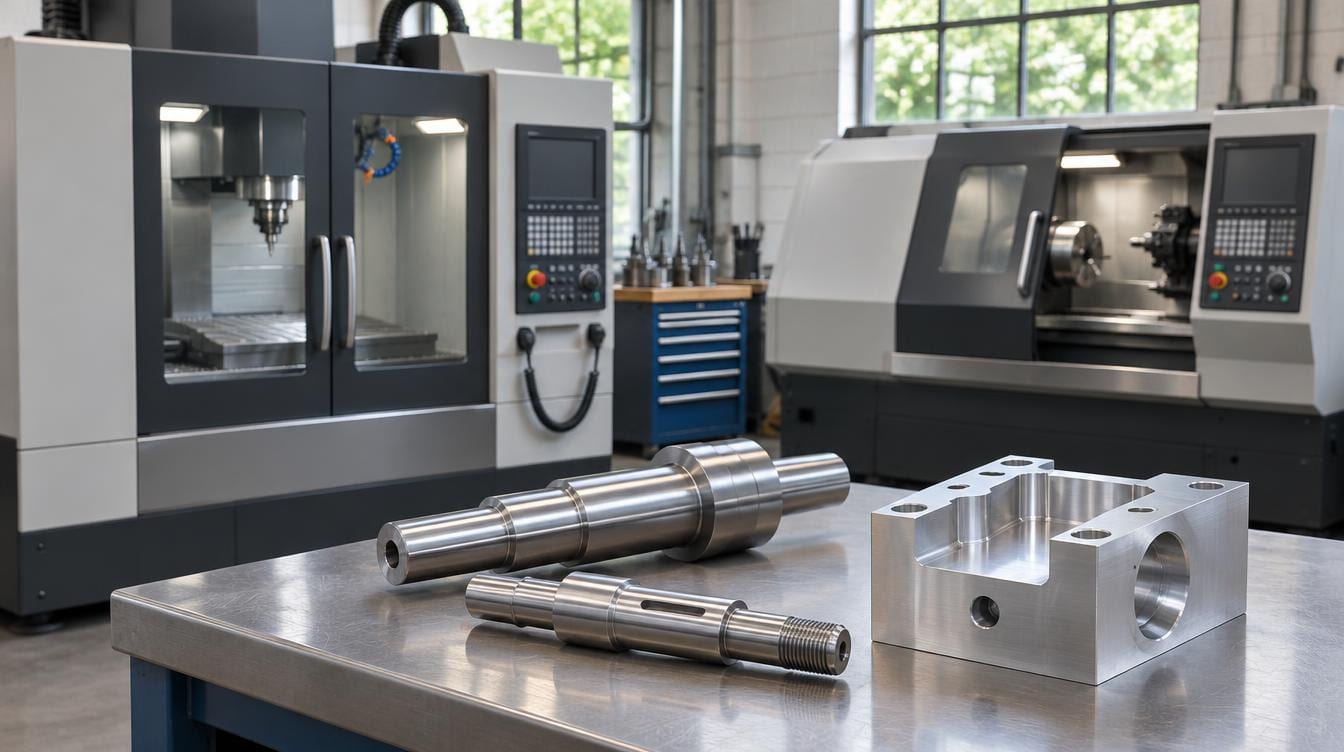
On a lathe the workpiece rotates; on a milling machine the cutter rotates. We compare the axes, typical operations and the parts each machine is best suited to, with practical examples.